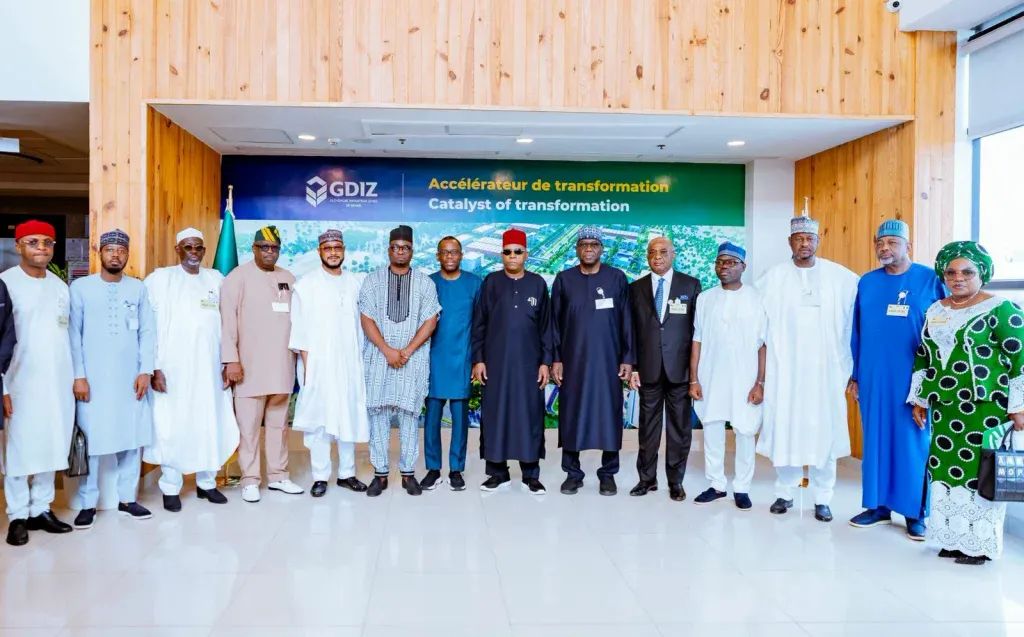
𝗔𝗳𝗿𝗶𝗰𝗮 𝗺𝘂𝘀𝘁 𝘀𝘁𝗼𝗽 𝗲𝘅𝗽𝗼𝗿𝘁𝗶𝗻𝗴 𝗿𝗮𝘄 𝗺𝗮𝘁𝗲𝗿𝗶𝗮𝗹𝘀, 𝗮𝗱𝗱 𝘃𝗮𝗹𝘂𝗲 𝗹𝗼𝗰𝗮𝗹𝗹𝘆 — 𝗦𝗵𝗲𝘁𝘁𝗶𝗺𝗮
Vice President Kashim Shettima has called on African countries to end the practice of exporting raw materials without processing them, urging governments to prioritize local value addition to drive industrialization and economic growth.
Speaking at a high-level engagement, Shettima said the continent must move beyond being a supplier of raw commodities and instead invest in industries that process natural resources into finished and semi-finished products.
He noted that adding value locally would create jobs, strengthen local industries, increase export earnings, and enable African nations to take greater control of their resources while improving their position in global trade.
The Vice President stressed that Africa possesses abundant natural and human resources but must develop the capacity to transform those resources into products that can compete in international markets.
Shettima urged governments, investors, and the private sector across the continent to work together to build strong manufacturing value chains, describing local processing as a critical step toward achieving sustainable economic development and reducing dependence on raw material exports.