Musk vs OpenAI Trial Enters Second Week Amid Key Testimonies
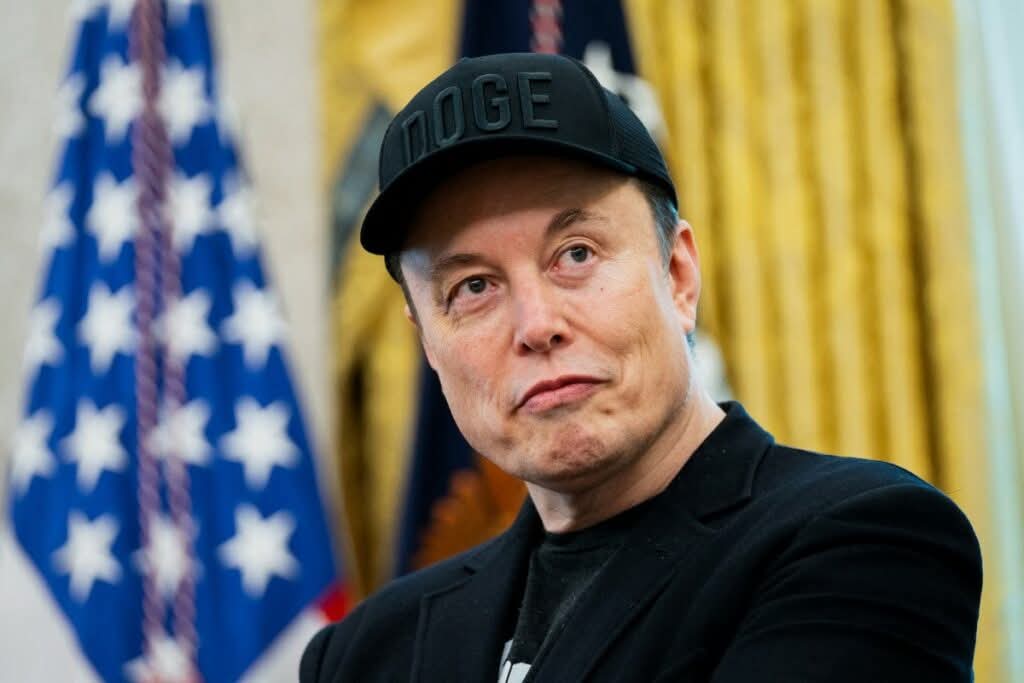
(FILES) Elon Musk looks on during a news conference with US President Donald Trump in the Oval Office of the White House in Washington, DC, on May 30, 2025. Musk has urged his 227 million social media followers to cancel their Netflix subscriptions, accusing the streaming platform of promoting what he describes as transgender propaganda. In his latest culture war campaign, the Tesla tycoon joined a trend launched by conservative social media account Libs of TikTok that cited the animated series "Dead End: P
The high-profile legal battle between Elon Musk and OpenAI has entered its second week, drawing intense attention across the global tech industry.
The lawsuit, filed by Musk, centers on claims that OpenAI has strayed from its original non-profit mission. Musk, a co-founder of the organization, argues that the company has shifted toward a profit-driven model that conflicts with its founding principles of developing artificial intelligence for the benefit of humanity.
As proceedings continue, the court is expected to hear testimony from key figures involved in the early formation of OpenAI. These testimonies could prove pivotal in determining whether the organization deviated from its initial mandate and whether any legal obligations were breached in the process.
OpenAI, however, has pushed back against Musk’s claims, maintaining that its current structure—including its capped-profit model—is necessary to secure the massive funding required for advanced AI research and development. The company argues that its evolution reflects the realities of building cutting-edge technology responsibly and at scale.
Legal analysts say the outcome of the case could have far-reaching implications for how AI companies are structured and governed, particularly as concerns grow over transparency, accountability, and the ethical deployment of artificial intelligence.
The trial has also sparked broader debate within the tech community about the balance between innovation and public interest, especially as AI systems become increasingly influential in everyday life.
With more witnesses expected and arguments intensifying, the case is shaping up to be a landmark moment in the ongoing conversation about the future of artificial intelligence and corporate responsibility.