Eko Disco, Coleman Seek Tax Waivers to Boost Cable Manufacturing in Nigeria
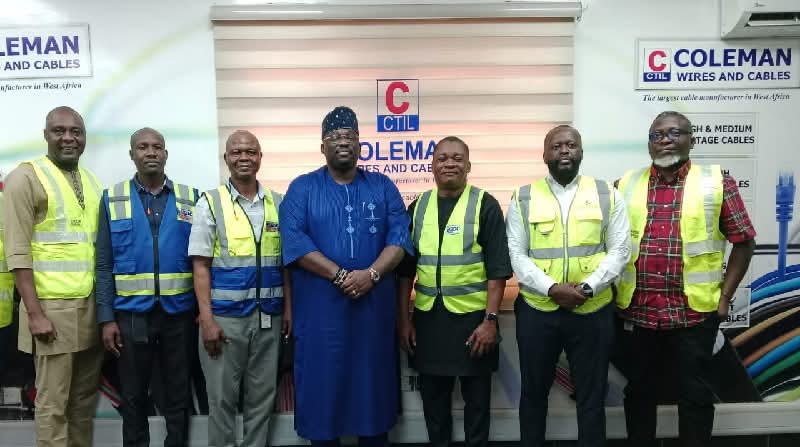
Eko Electricity Distribution Company (Eko Disco) and Coleman Technical Industries Limited have jointly called on the Federal Government to introduce tax waivers and fiscal incentives for local cable manufacturers, arguing that such measures would significantly enhance domestic production and stimulate economic growth.
Speaking on the need for policy support, representatives from both organizations emphasized that Nigeria’s cable manufacturing sector has the capacity to meet a substantial portion of local demand but is currently constrained by high production costs. These costs, they noted, are driven by multiple taxation, import duties on raw materials, and foreign exchange challenges.
According to industry stakeholders, granting tax waivers on essential inputs such as copper and aluminum would reduce operational expenses, allowing local manufacturers to scale up production and compete more effectively with imported products. They also argued that strengthening local manufacturing would help conserve foreign exchange and create jobs across the value chain.
Eko Disco highlighted the importance of reliable, high-quality cables in improving power distribution efficiency. The company noted that increased local production would ensure better quality control, faster supply, and reduced project delays within the electricity sector.
Coleman, one of Nigeria’s leading cable producers, stressed that with the right government support, the country could become a hub for cable manufacturing in West Africa. The company pointed out that expanding local capacity would not only meet domestic needs but also position Nigeria as an exporter in the regional market.
Both organizations urged policymakers to act swiftly, noting that targeted incentives could accelerate industrialization, support infrastructure development, and contribute to broader economic diversification efforts.
Industry analysts agree that policy reforms in manufacturing could play a critical role in reducing Nigeria’s dependence on imports while strengthening its industrial base.