Narrative Frontline: US, Israel, Iran Battle for Global Narrative Amid Historical Reflections
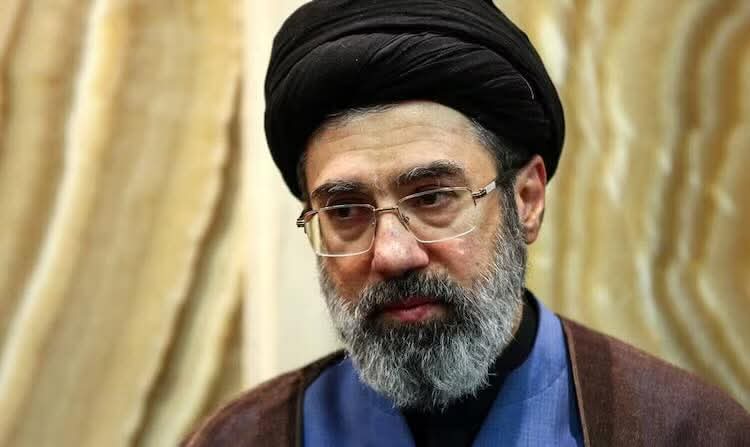
Global powers including the United States, Israel, and Iran are increasingly engaged in a battle not only on diplomatic and geopolitical fronts but also in shaping the global narrative surrounding history, politics, and international influence.
Analysts say the contest for narrative dominance—through media, diplomacy, and strategic communication—has become a key component of modern geopolitics. Governments and institutions are investing heavily in shaping how global audiences interpret conflicts, historical events, and international policies.
Experts note that control of narratives often influences public perception, foreign policy decisions, and international alliances, making it an important tool in contemporary global relations. 🌍
The discussion around global narratives also frequently intersects with historical reflections, particularly concerning events such as the Transatlantic Slave Trade, whose legacy continues to shape social, political, and economic conversations across Africa and the wider world.
Historians point out that figures like William Wilberforce played a critical role in the movement to abolish the transatlantic slave trade in the 19th century. Wilberforce and other abolitionists campaigned vigorously in the British Parliament and broader society, contributing to legislative efforts that eventually ended Britain’s participation in the trade.
Despite its abolition, scholars emphasize that the scars of the slave trade remain visible across many African communities, where its long-term impacts are reflected in economic disparities, social disruptions, and cultural dislocation.
Observers say contemporary global narrative battles often involve reinterpreting historical events, national identities, and geopolitical interests, with different countries seeking to frame issues in ways that support their strategic goals.
As geopolitical tensions evolve, analysts believe the struggle for influence in media, diplomacy, and public discourse will continue to play a major role in shaping global politics and historical understanding. 📚