𝗡𝗮𝗶𝗿𝗮 𝗵𝗶𝘁𝘀 𝘁𝘄𝗼-𝘆𝗲𝗮𝗿 𝗵𝗶𝗴𝗵 𝗮𝘁 ₦1,347/$ amid rising forex inflows
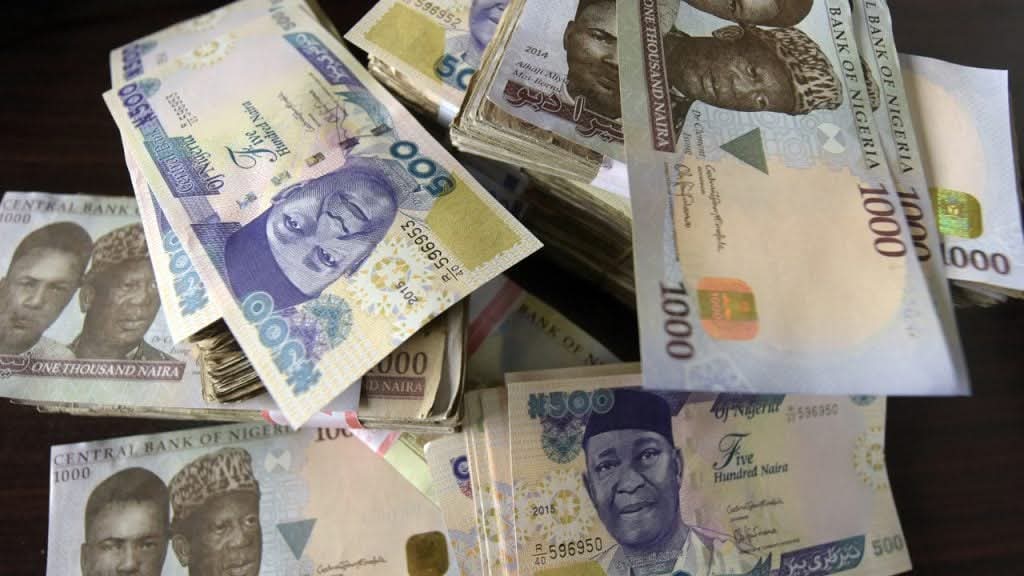
ABUJA, Nigeria — The Nigerian naira has strengthened sharply against the U.S. dollar, reaching around ₦1,347 per $1 in official markets — its strongest level in nearly two years — driven by improving foreign exchange liquidity and robust capital inflows. The rally reflects a sustained shift in market dynamics as reforms take hold and confidence in the currency builds.
Analysts say the gains, seen across both official and parallel markets, have been underpinned by a combination of Central Bank of Nigeria (CBN) policy actions, increased foreign exchange supply, and a surge in foreign portfolio investments. In recent weeks, the spread between the official and black-market rates has narrowed significantly, signalling easing speculative pressures and improved FX access across market segments.
CBN policy measures — including allowing licensed Bureau De Change (BDC) operators access to foreign exchange through authorised dealers and new limits on dollar holdings and cash transactions — have helped widen supply and improve trading depth in the Nigerian Foreign Exchange Market. These reforms aim to enhance transparency and reduce reliance on informal channels.
Impact of Central Bank Policies
The CBN has been active on several fronts to support the naira, including:
Integrating BDCs into the official FX market to boost liquidity and narrow market segmentation.
Maintaining cautious monetary policy settings amid moderating inflation and mixed liquidity signals.
Strengthening reserve buffers — Nigeria’s foreign exchange reserves have climbed above $48.5 billion, the highest in over a decade — providing additional firepower to defend the currency.
These actions have underscored the apex bank’s priority of stabilising the naira while balancing inflation control and external resilience.
Role of Foreign Inflows
Renewed foreign portfolio inflows have been a significant factor in the currency’s rebound. Analysts estimate sizeable positioning by foreign investors in Nigerian financial assets, attracted by attractive local yields and improved market confidence. Such funds have boosted foreign exchange availability in the official window, helping compress the premium between official and parallel rates.
However, this strength also carries risk: substantial currency gains can prompt profit-taking by foreign investors, especially if the naira continues to strengthen beyond current levels. Should expectations shift — for instance ahead of geopolitical or domestic political events — some capital could be withdrawn, pressuring the exchange rate.
Risks and Outlook
Despite recent gains, market watchers caution that the naira’s trajectory remains fragile. Forward-market pricing suggests potential weakening later in the year, with six-month non-deliverable forwards indicating rates near ₦1,450/$, reflecting uncertainty around liquidity and demand conditions.
Portfolio exits: If currency gains narrow profit margins overseas or global risk sentiment shifts, foreign investors may rebalance portfolios away from Nigerian assets.
Liquidity concerns: CBN officials have stressed low tolerance for liquidity overhangs, which could prompt tighter conditions that weigh on domestic credit and FX markets.
Economists urge sustained policy coordination and deeper structural reforms — including boosting non-oil exports and diaspora remittances — to ensure a more durable foundation for exchange rate stability.