FG Targets 50 Million-Tonne Yam Gap, Plans Yield Surge by 2027
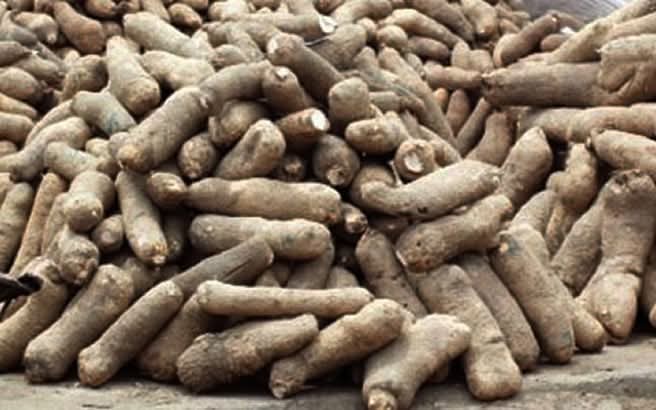
ABUJA, NIGERIA — The Federal Government has unveiled an ambitious strategy to triple Nigeria’s yam yield by 2027, aiming to close an estimated 50 million-tonne supply gap while strengthening farmer incomes and food security.
Officials said the initiative will focus on improving productivity, expanding access to quality planting materials, and modernizing cultivation practices across major yam-producing states. The plan is designed to reinforce Nigeria’s position as the world’s leading yam producer while addressing persistent constraints that limit output.
According to agriculture authorities, the programme will prioritize the distribution of high-yield yam seed varieties, enhanced extension services, and greater adoption of climate-smart farming techniques. Mechanization support and improved storage infrastructure are also expected to reduce post-harvest losses — a longstanding challenge in the yam value chain.
“The objective is not only to boost production volumes but to improve profitability for farmers and stabilize market supply,” a government representative said, emphasizing the crop’s economic and cultural significance.
Industry analysts note that despite Nigeria’s dominance in yam cultivation, productivity per hectare remains relatively low compared to potential yields. Factors such as limited financing, inadequate storage, and traditional farming methods have contributed to supply shortfalls and price volatility.
The government’s strategy also includes measures to facilitate agribusiness investment, strengthen rural logistics, and enhance market linkages for producers. Policymakers believe these interventions could stimulate job creation, expand export opportunities, and reduce pressure on household food budgets.
Agricultural economists, however, caution that achieving the targets will depend on effective coordination between federal and state agencies, sustained funding, and farmer adoption of improved practices.
Yam remains a staple food and key income source for millions of Nigerian households, making the success of the programme critical to broader efforts at enhancing national food resilience.