Nigeria’s Exports Hit $44bn as Naira Shows Signs of Stabilisation
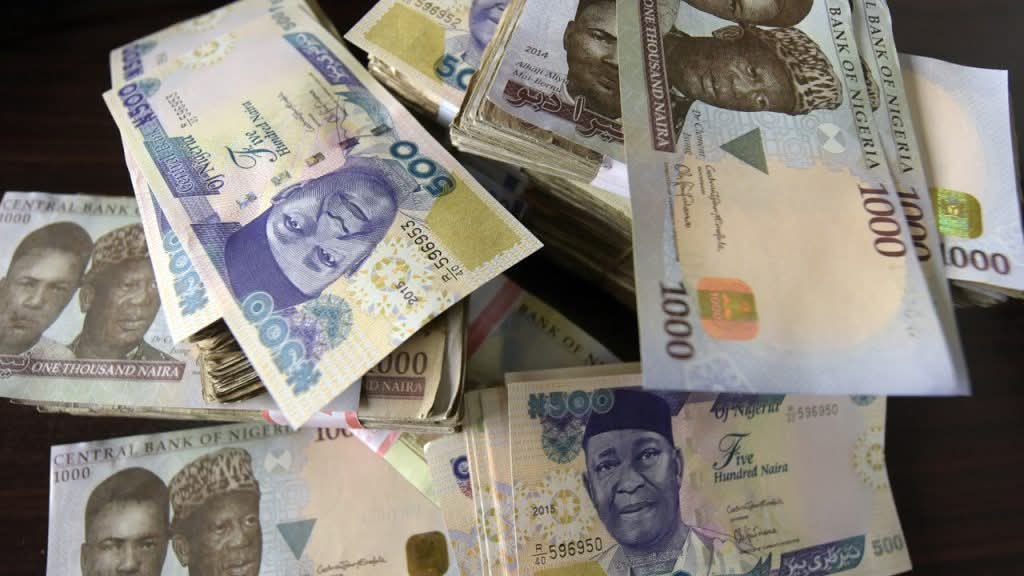
Abuja — Nigeria’s export earnings climbed to $44 billion in 2025, a development analysts say has contributed to recent signs of stabilisation in the naira and provided relief for the country’s external balance.
Economic observers note that stronger export performance — driven largely by energy shipments alongside non-oil products — has improved foreign exchange inflows, easing pressure on the domestic currency after prolonged volatility. The gains are seen as a positive signal for trade dynamics and investor sentiment.
Financial experts say improved export receipts can help narrow balance-of-payments gaps, bolster reserves, and enhance exchange rate confidence. However, they caution that currency stability alone does not guarantee broad-based economic benefits.
“There is a clear link between foreign exchange supply and currency behaviour, but the real challenge is translating macroeconomic improvements into inclusive growth,” an economist familiar with Nigeria’s trade trends said.
Despite the encouraging figures, specialists emphasize the need to diversify exports further, particularly by strengthening manufacturing, agriculture, and value-added industries. They argue that overreliance on commodity exports leaves the economy vulnerable to global price swings.
Policy analysts also stress that sustainable economic progress will depend on job creation, productivity growth, and measures that expand opportunities across sectors. Calls for reforms targeting infrastructure, industrial capacity, and trade competitiveness have continued to feature prominently in economic discussions.
The export growth comes amid ongoing efforts by authorities to stabilise the economy, manage inflationary pressures, and improve foreign exchange liquidity. Market participants are closely watching whether the trend can be maintained in the face of global economic uncertainties.
For businesses and households, experts say the durability of naira stability will remain tied to consistent export growth, capital flows, and broader structural adjustments within the economy.