Nigeria Enters New Energy Phase as Dangote Refinery Redefines Fuel Supply — Dan D. Kunle
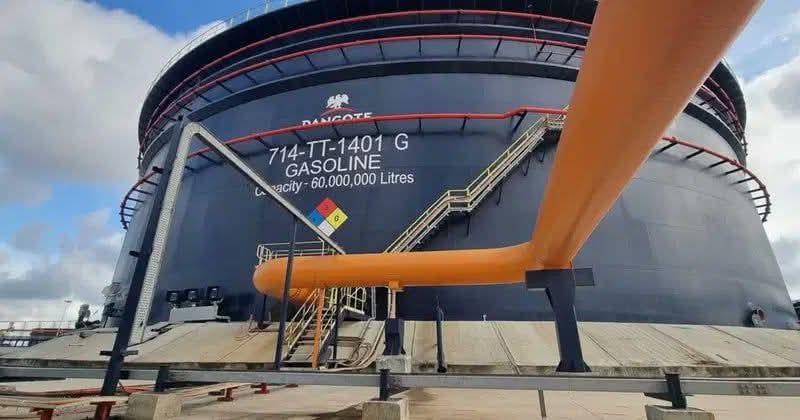
Nigeria is entering what analysts describe as a decisive new phase in its energy history, following the emergence of the Dangote Petroleum Refinery, the world’s largest single-train refining facility.
Energy analyst Dan D. Kunle said the country’s long-standing dependence on imported petroleum products, which had lasted for more than three decades, is now being fundamentally redefined by the operational take-off of the privately owned refinery.
For years, Nigeria relied heavily on fuel imports despite being Africa’s largest crude oil producer, a situation that exposed the economy to global oil price shocks, foreign exchange shortages and geopolitical disruptions beyond its control.
According to Kunle, the import-dependent system created structural vulnerabilities that affected fuel pricing, government finances and overall economic stability.
“The country survived on an unstable foundation of imported petroleum products, leaving the economy exposed to risks far outside Nigeria’s control,” he said.
The Dangote Petroleum Refinery, with a processing capacity of 650,000 barrels per day, is expected to significantly reduce Nigeria’s reliance on imported refined products, conserve foreign exchange and strengthen domestic energy security.
Industry experts say the refinery’s operations could also stabilise fuel supply, lower transportation and logistics costs, and position Nigeria as a major exporter of refined petroleum products within Africa and beyond.
The development is seen as a critical step toward reshaping Nigeria’s downstream petroleum sector, with potential long-term implications for inflation, industrial growth and economic resilience.