Lagos Government Under Fire After Supreme Court Ends Kudirat Abiola Murder Case
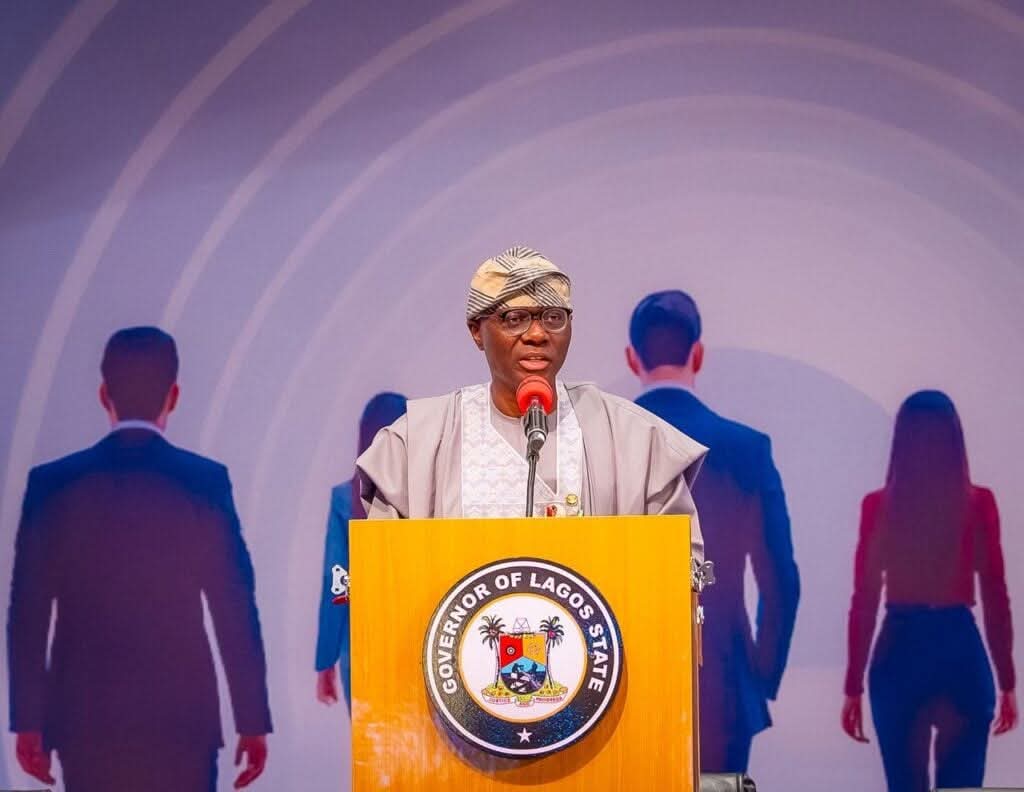
The Lagos State Government is facing intense national criticism after the Supreme Court of Nigeria formally closed the murder case of Alhaja Kudirat Abiola on the grounds that the state abandoned its appeal against the acquittal of Major Hamza Al-Mustapha (retired) nearly nine years after it was granted leave to pursue it.
The apex court, in a unanimous judgment by a five-member panel, ruled that Lagos State failed to take any legal steps to prosecute its appeal against Al-Mustapha’s acquittal — a failure the court treated as a clear abandonment of the case.
End of a Protracted Legal Battle
The case dates back more than 28 years, after Kudirat Abiola, wife of the acclaimed winner of the annulled June 12, 1993 presidential election, was assassinated in Lagos on June 4, 1996 during protests against military rule.
A Lagos High Court convicted and sentenced Major Hamza Al-Mustapha, Mohammed Abacha, and Lateef Shofolahan to death by hanging in 2012 for conspiracy and murder.
In 2013, the Court of Appeal overturned the convictions and acquitted the defendants, citing insufficient evidence.
Lagos State then applied to the Supreme Court for leave to appeal out of time, which was granted in 2014, but the state never filed a formal notice of appeal or relevant legal documents, despite multiple hearing notices.
In its ruling, the Supreme Court described the state’s long inaction as “inexcusable”, noting it had neither appeared in court nor provided any explanation for the delay, effectively ending legal efforts to pursue justice in the case.
Reactions and Outcry
The closure of the case has sparked widespread condemnation:
Family members of the slain activist condemned the abandonment as unjustifiable, with Kudirat Abiola’s son describing the delay as prolonged emotional torture.
Civil society groups and legal practitioners criticized the Lagos State Government for squandering public trust and failing to pursue justice in a case that symbolised Nigeria’s struggle for democracy.
The Country Director of Amnesty International Nigeria called the development a reflection of institutional failure and urged an independent inquiry into past atrocities, including compensation for victims’ families.
Some activists warned that the outcome could embolden those accused of political violence and undermines faith in the justice system.
The Aftermath
With the Supreme Court’s decision, Major Hamza Al-Mustapha is now formally cleared of the murder charge in the eyes of the law, more than three decades after the killing of Kudirat Abiola.
While legal avenues at the national court level have closed, some human rights lawyers say the quest for accountability may continue through regional courts or other mechanisms, reflecting the deep public desire for justice over unresolved historical political crimes.