Yuletide: Nigerians frustrated over power outages, telco service collapse, airfare hike
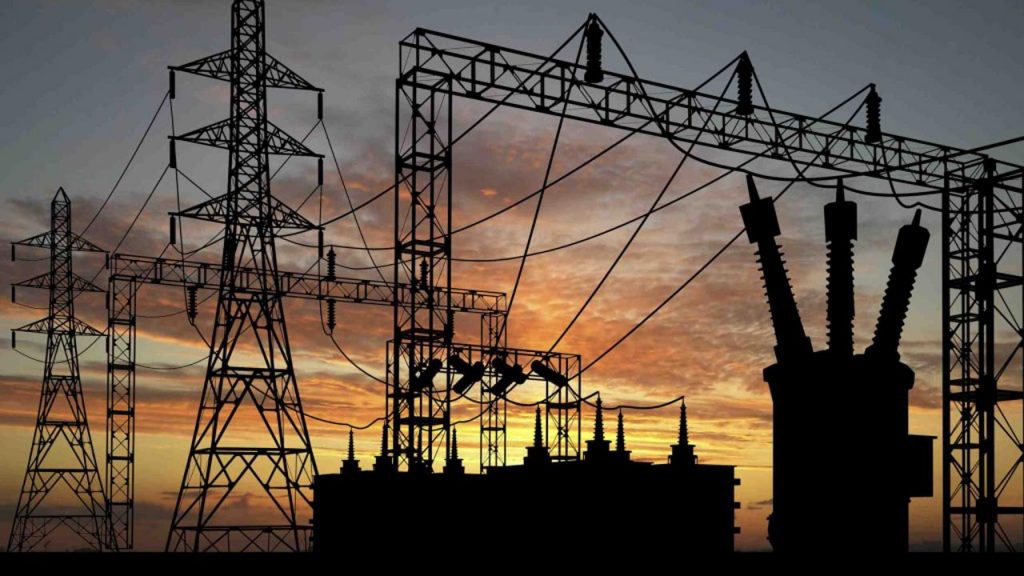
As Yuletide approaches, Nigerians have expressed frustration over worsening electricity supply, declining telecommunications services, and sharply rising domestic airfares, compounding the cost and stress of the festive season for millions of citizens.
With barely two days to Christmas, residents of major cities including Abuja, Lagos, Enugu, Ibadan, and Kano say power outages have become more frequent, mobile networks increasingly unreliable, and air travel largely unaffordable.
Despite repeated assurances from regulators and government agencies, service delivery across these critical sectors has shown little improvement.
In the electricity and telecommunications sectors, consumers argued that the situation this festive season is worse than previous years, even after significant tariff increases.
Mobile network subscribers experienced about a 50 percent hike in tariffs earlier in 2025, while Band A electricity customers were subjected to higher power tariffs based on promised minimum supply hours.
In February, the Nigerian Communications Commission (NCC) approved tariff adjustments that led to sharp increases in call, data, and SMS costs.
Mobile Network Operators (MNOs) had pledged improved quality of service and compensation for customers following the hike.
However, nearly a year later, subscribers report persistent network failures, dropped calls, and poor internet connectivity, with many describing 2025 as the worst year yet for telecoms service quality.
The power sector presents a similar picture. Electricity Distribution Companies (DisCos) had assured Band A customers of up to 20–22 hours of daily supply.
Instead, widespread outages and unstable supply have dominated the weeks leading up to Christmas, raising questions about the effectiveness of recent reforms and tariff adjustments.
Air travel costs have also surged as domestic airlines capitalize on increased holiday demand.
Airfares on single routes to destinations such as Owerri, Enugu, Warri, and Asaba now range between N400,000 and N480,000, depending on the airline, placing air travel beyond the reach of many Nigerians.
Although the National Assembly and the Federal Competition and Consumer Protection Commission (FCCPC) have vowed to take action against exploitative pricing by airline operators, their interventions have so far failed to ease the situation.
The Minister of Aviation and Aerospace Development has also acknowledged that the government has limited capacity to directly control airfare pricing.
Reacting to the developments, the Nigeria Consumer Protection Network described the state of the power sector as a long-standing failure.
Speaking to SOCIETY WATCH, Kunle Olubiyo said Nigeria’s electricity industry has fallen far short of expectations more than a decade after privatization.